
Royal London
undefined • 3 June 2025
England has had a monarch since the 9th century although it wasn’t until centuries later that it became a London centric administration. The result today is a more modern monarchy that co-exists with some impressive monuments that provide the backdrop to some famous traditions. Whether you're a history buff, a fan of the Crown, or simply looking for iconic sights, you do not have to be a Royalist to appreciate exploring London’s Royal landmarks.
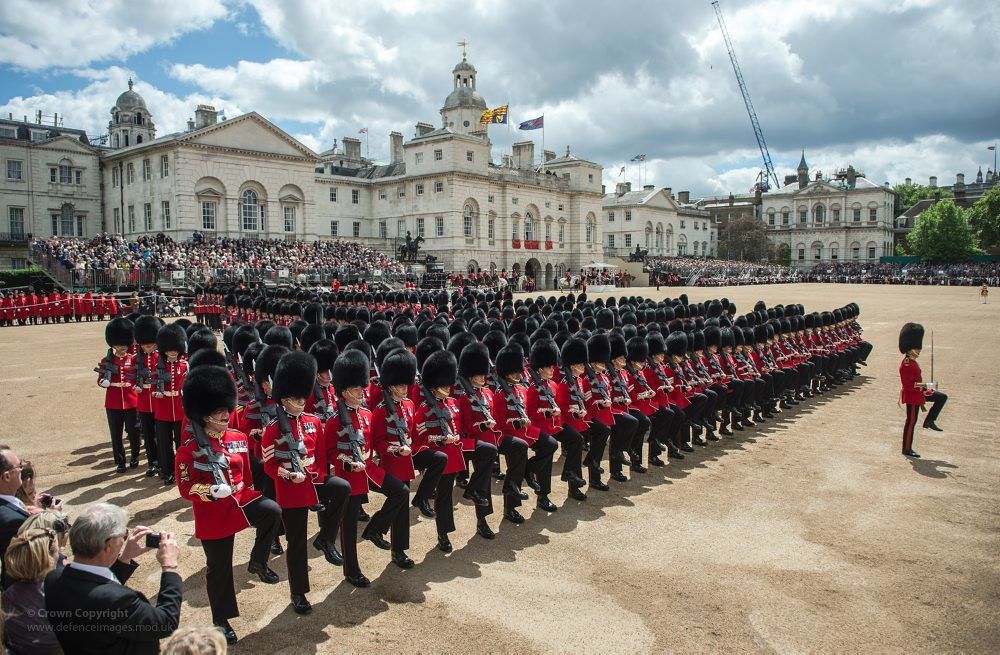
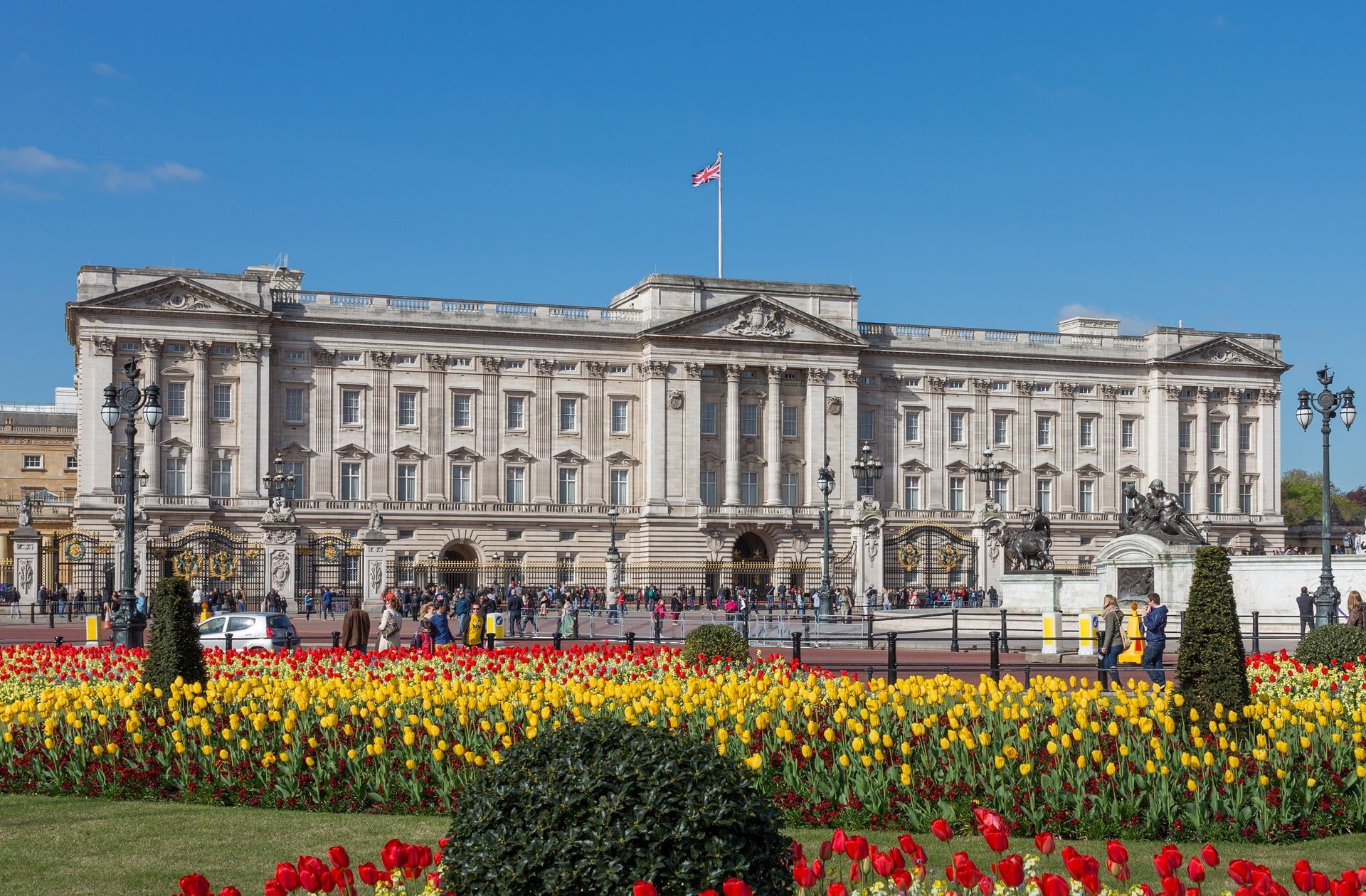
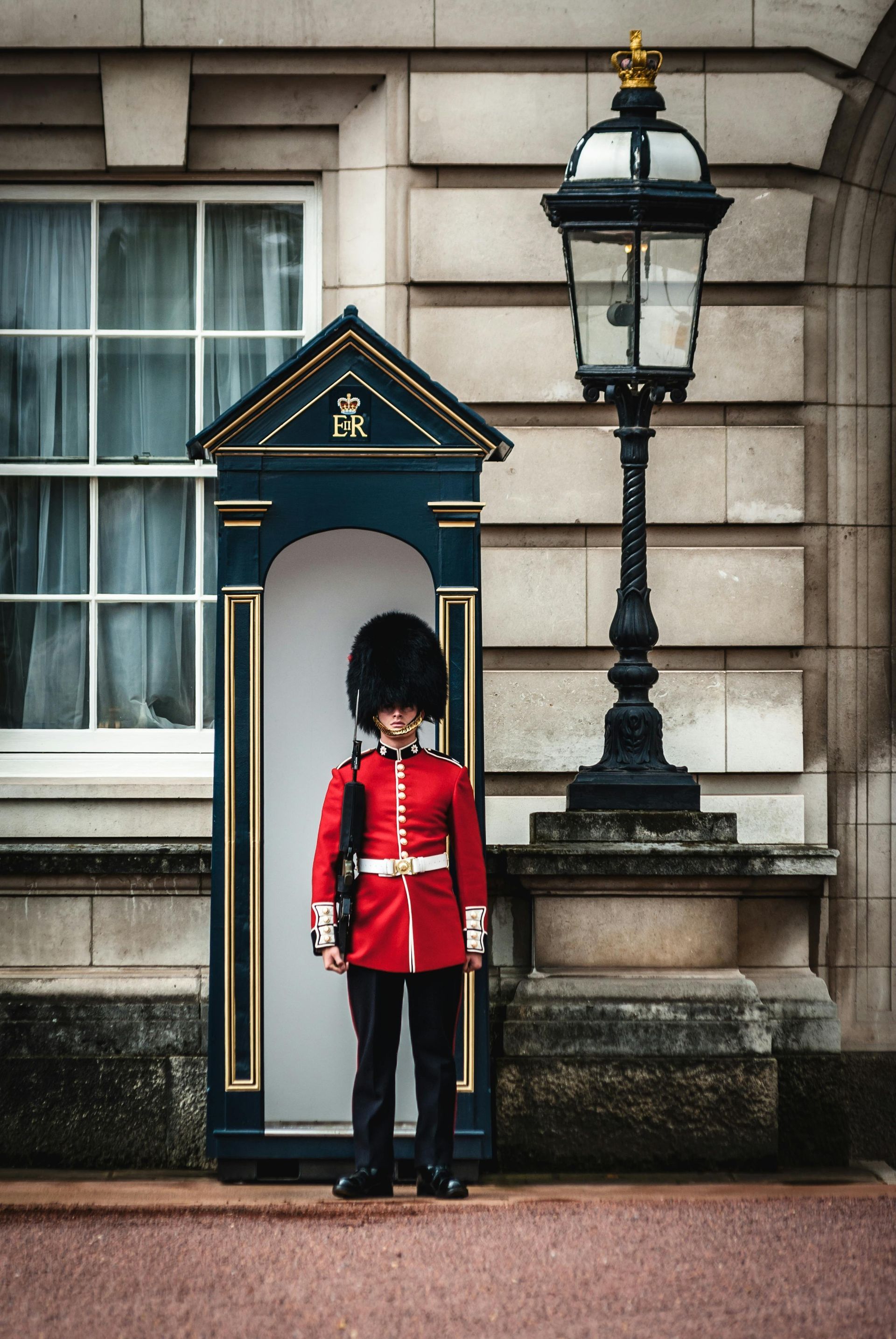
We start off with none other than Buckingham Palace, the official residence of the British monarch. The Changing of the Guard ceremony normally takes place from 11am on Mondays, Wednesday and Fridays with the most impressive display being Trooping the Colour in the middle Saturday of June to celebrate the monarch’s birthday. During the summer months, it is possible to explore the opulent State Rooms by visiting inside the palace. Afterwards, take a walk through St James’s Park which is arguably the best urban Royal Park (there are 8 in total).
Located near Buckingham Palace, The Royal Mews
houses the Queen’s collection of historic coaches and carriages, including the dazzling Gold State Coach used for coronations. It’s a fascinating look at the pageantry and tradition behind royal events.
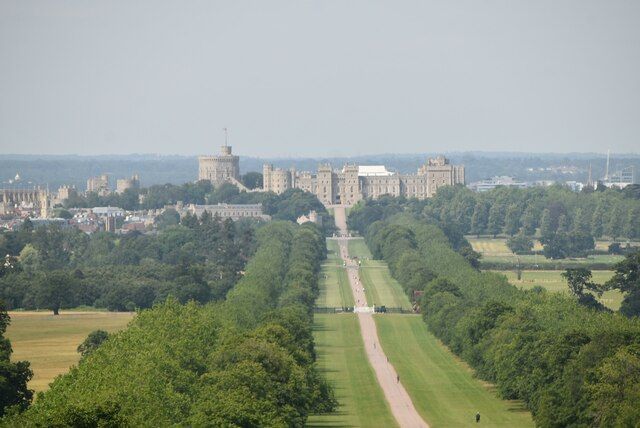
More recently, the Royal Family have been basing themselves in semi rural Windsor Castle
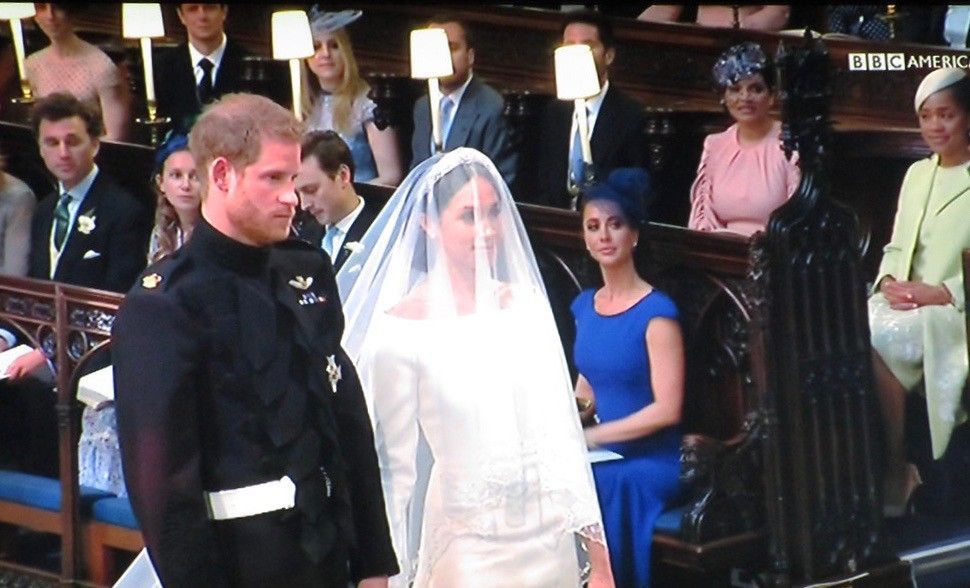
which is just a short train ride from London. It is the world’s oldest and largest inhabited castle and very much a working palace. The Changing of the Guard here is less crowded than at Buckingham Palace and St George’s Chapel is a sight to behold, also being the venue for many a Royal Wedding including Harry and Meghan and the (then) Prince Charles and Camilla Parker-Bowles. It is also the resting place of HM Queen Elizabeth II.
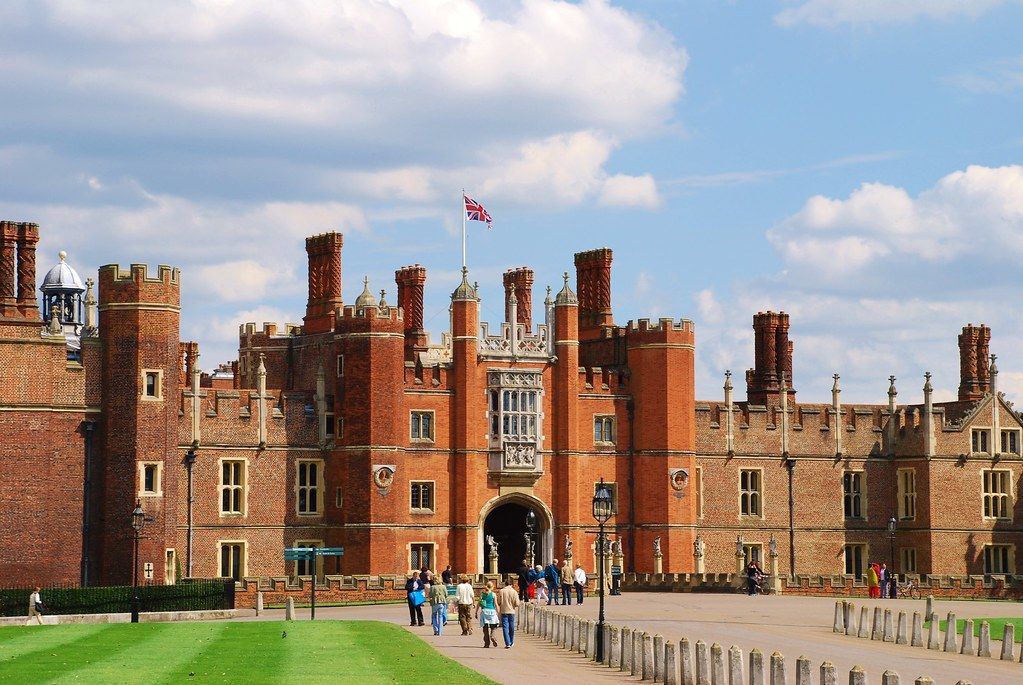
In the days of King Henry VIII it was all going on at Hampton Court Palace
including his marriage with Anne Boleyn (wife number 2 of 6) and the imprisonment of King Charles I prior to execution after his defeat in the Civil War which led to a temporary republic for 11 years. Visitors get to experience a serious step back in time as much of the building dates back to the Tudor area with a particularly impressive wine cellar and kitchens. The vast riverside gardens and famous maze are a real treat for visitors and it is worth spending the whole day there. They have a summer festival of open air concerts in June. Accessible by train from Waterloo.
From the outside, the Tower of London
looks like a vast walled fortress with an historic building inside, which indeed it is, but it is only when you step inside that you see it open up as a whole village of activity from the half timbered Queen’s House which temporarily housed Anne Boleyn prior to her execution on the green outside to the Traitor’s Gate where prisoners were brought in by barge via the River Thames and their heads displayed on pikes to deter dissidents to the old enclosures for wild animals which were later moved to the newly established London Zoo. The most famous landmark is the White Tower built by William the Conqueror in 1080. You read that correctly; the building is almost 1000 years old and still standing. Save the best for last and visit the Crown Jewels. The words “breath-taking” and “impressive” can be overused but in the case of this UNESCO World Heritage Site, it is completely justified. Take a selfie before you go with a Yeoman Warders, known as Beefeaters.
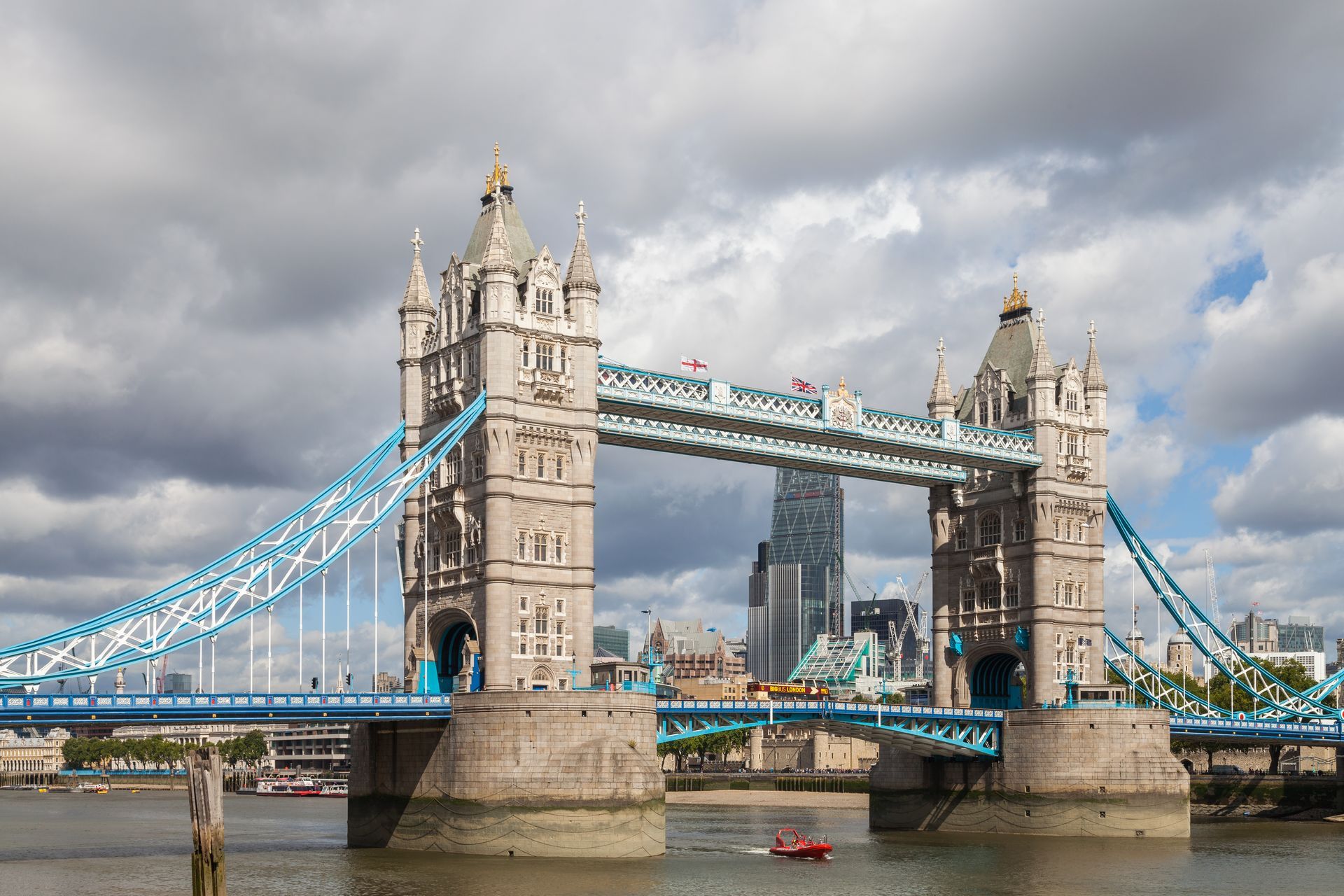
Afterwards, we strongly recommend Tower Bridge. You can walk across the glass bottomed top of the bridge and a staff member will give you the exact times the bridge is expected to open for passing boats so you can see it from above. Did you know it used to be a battleship grey pre-WW2 to protect it from bomb damage until it was repainted in red, white and blue in 1977 to celebrate the late Queen’s Silver Jubilee. An underrated gem.
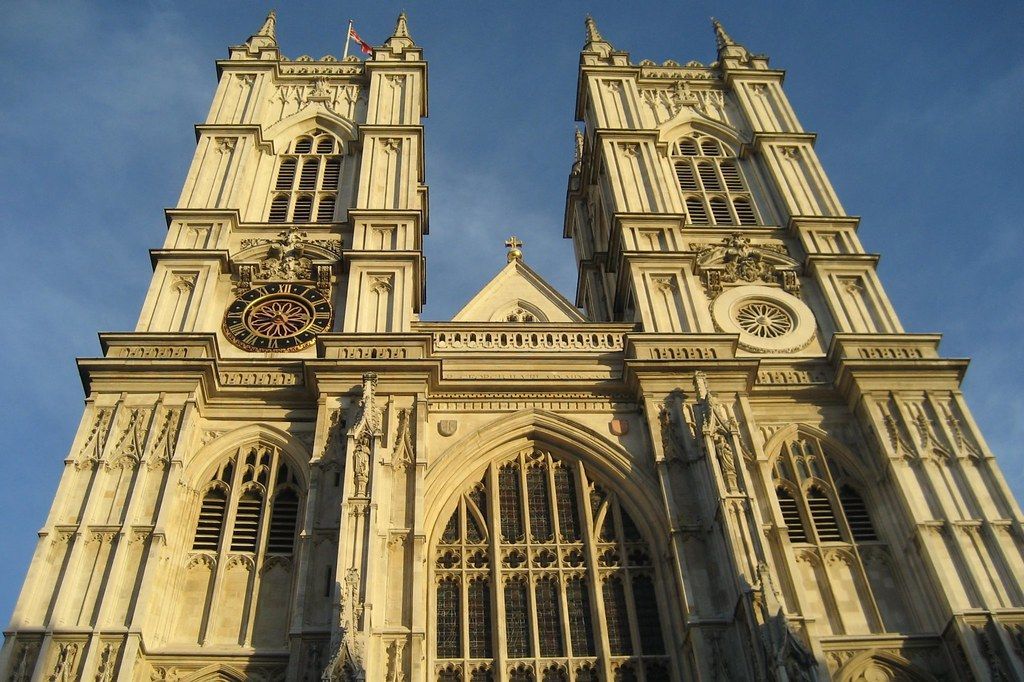
Westminster Abbey
is a magnificent Gothic church that has been the site of every British coronation since 1066 and has hosted numerous royal weddings including William and Kate. Inside, you'll find the final resting places of 17 monarchs and a graves of a mostly British dead poets' society such as Byron, Blake, TS Eliot, Keats, Milton, WH Auden, Kipling, Shelley, Tennyson and Wordsworth. For more graveside bang for your buck you can also pay your respects to Darwin, Dickens, Handel, Purcell, Newton and the remaining matter of Stephen Hawking providing an extraordinary concentration of famous mortal remains all in one place. For the living, the elaborate architecture and stained glass is a must see.
Kensington Palace
is basically a posh block of flats as it houses the London residences if the Prince and Princess of Wales and various Dukes and Duchesses making it a unique multi-generational family living space. If you are old enough then you may remember the scenes back in 1997 when millions left flowers outside its gates after the death of Princess Diana since she too resided here. Parts of it are now open to the public with special exhibitions showing gowns and jewels as well as a chance to see state rooms and gardens. It is in the Sunken Garden that Prince Harry and Meghan announced their engagement.
Located in Kensington Gardens, the Albert Memorial
is a stunning tribute to Prince Albert, Queen Victoria’s beloved husband. Those two were hit hard by Cupid’s bow. This elaborate, gilded monument is a must-see for anyone interested in royal history. It’s also the perfect spot to relax after exploring the nearby Kensington Palace and is located directly in front of the Royal Albert Hall
in Hyde Park.
Sadly, St James’s Palace
is not open to the public but it is an important ceremonial backdrop. You can view it from the outside and enjoy a visit to the Chapel Royal, a beautiful active church often used for royal weddings and christenings. It is a short walk from Buckingham Palace. Nearby is Clarence House, the official London residence of King Charles III and Queen Camilla. This elegant residence has hosted many royal occasions and is open to the public during the summer.
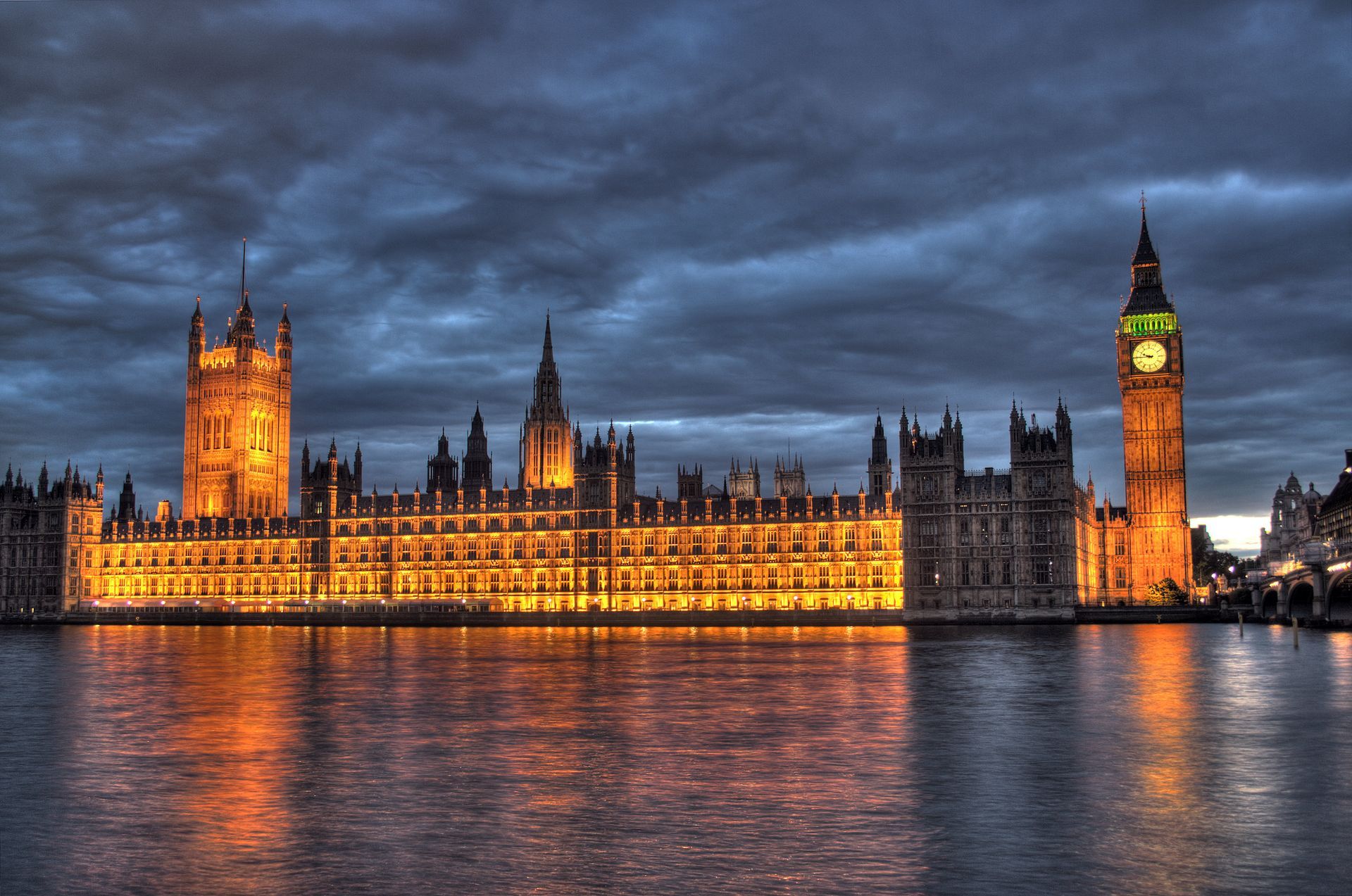
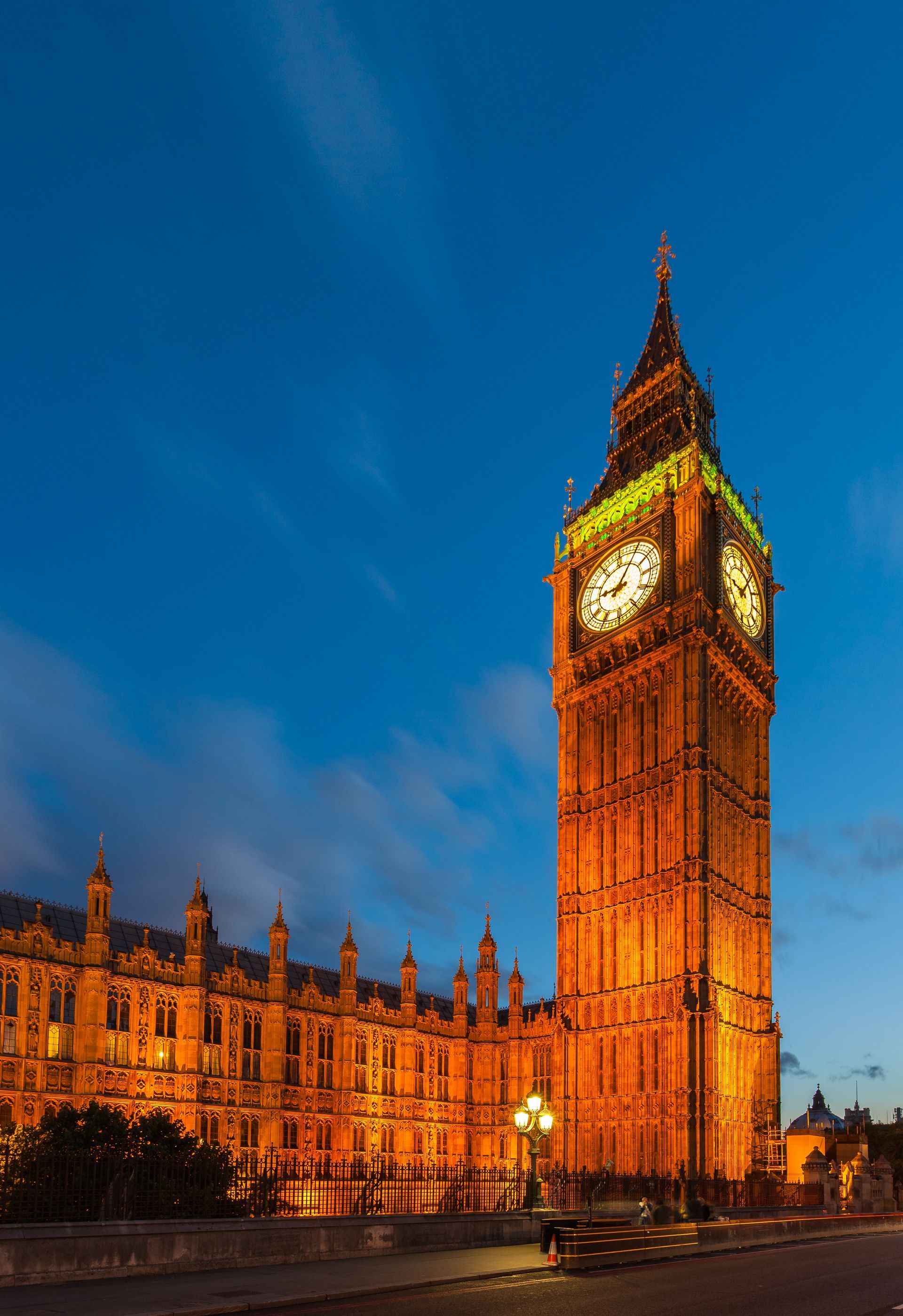
The Palace of Westminster
includes the Houses of Parliament, Big Ben, St Stephen’s Chapel
and Westminster Hall
which is 900 years old.
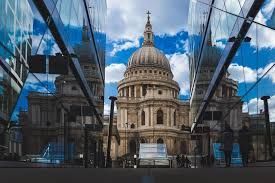
St Paul’s Cathedral
is Sir Christopher Wren’s masterpiece and a visit will take you across town to the City of London. Site of the ill fated marriage of a certain Charles to Diana and the funeral of Margaret Thatcher and Winston Churchill, it is known for his airy architecture and vast capacity for a large crowd. It is on these steps that we were implored to “feed the birds” in Mary Poppins. Explore the whispering gallery sound waves phenomenon by visiting the famous dome.
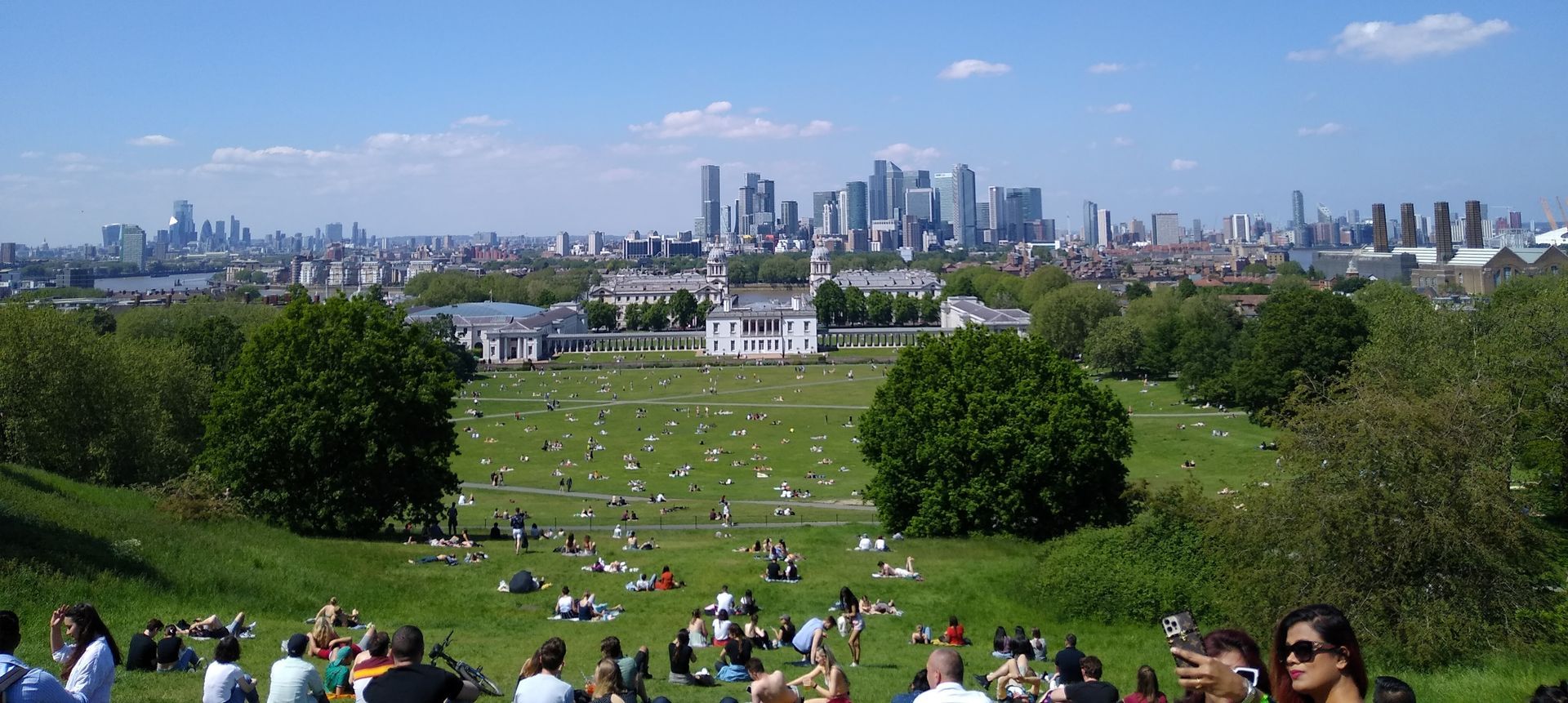
Further east to Greenwich is home to a vast campus of buildings including the Royal Naval College, National Maritime Museum
and Royal Observatory Planetarium. Stand on the true anchor of the world’s timeline when you find the copper coloured line that marks Greenwich Mean Time
or GMT.
The choices are so vast it does feel almost endless and you will find it impossible to tick everything off your list in one visit. For a full list of Royal options, you may find the following link useful: vi.me/PjOaV
View more
Journal

London is perfect for older children.
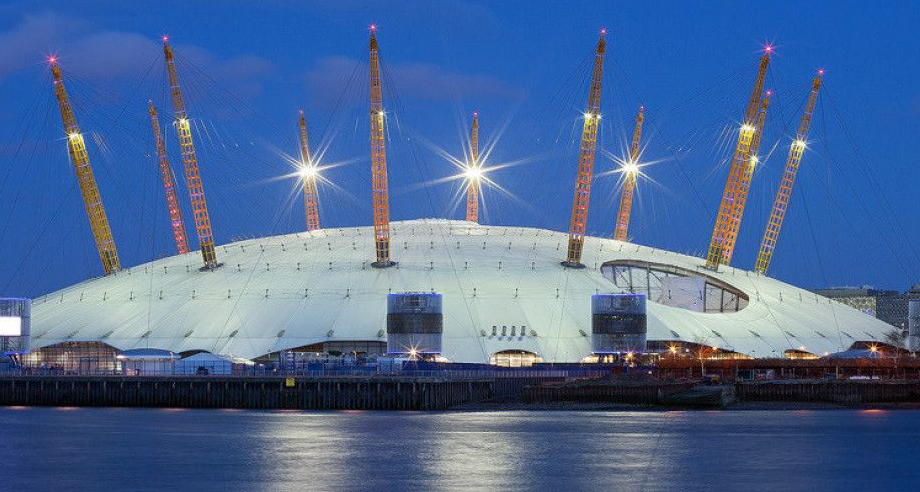
The English summer season is packed with events intended to reward us all for our patient hibernation, bringing us together to experience something special. Summer 2026 is no exception and with something for everyone depending on your passion, below is just a small selection of what London has to offer this year: Solo Queens – Olivia Dean, Raye, Ariana Grande & Lily Allen are all playing at the O2 this summer. It’s not too late to get tickets at this huge venue. The Lads – The Weeknd, Bruno Mars and Bon Jovi are all playing at Wembley this summer too. The Fringe event – prefer your music a bit more underground? The Brick Lane Jazz Festival returns over 3 days in June, showcasing a huge range of new and established acts across a range of local intimate venues. The Outdoorsy One – Garth Brooks, Maroon 5, Lewis Capaldi are all playing British Summer Time. Since 2013, this has been an annual institution in outdoor music right in Hyde Park and the scale and organisation of it has to be seen to be believed. On the other hand, if it rains you will definitely get wet but that’s part of it isn’t it? One for the Geeks – Dungeons and Dragons Fan Expo is being held in the O2 on the 21st and 22nd of August. This is one for D&D traders and gamers who take things seriously. For Foodies – Taste of London food festival comes to Regent’s Park offering five continuous days of feasting in June. Masterclasses are on offer as well as a chance to purchase direct from artisan suppliers and plenty of cocktail opportunities. For Designers – Clerkenwell Design Week takes place over 3 days in May with the usual plethora of talks and events as well as hundreds of brands and emerging talent exhibiting their latest offerings. A feast for the eyes with plenty of high quality options for you to rest your legs in style too by testing out one of the many chairs. The Perennial Classic – still impressive for its scale, popularity and colour; the Chelsea Flower Show. Held in the vast grounds of the Royal Hospital Chelsea, this veritable institution is televised for the BBC and never fails to deliver. Its scale has to be seen to be believed. Warning: has the power to convert even the most reluctant gardener. The Grand Master – with the full programme not announced until late April, expect an eight week season of daily orchestral classic music concerns set in the Royal Albert Hall. “Prommers” can expect the pinnacle in the famous “Last Night of the Proms” which traditionally celebrates patriotic music of the United Kingdom. Pick up a “Day Promming” last minute ticket for just £8. The Decadent Option – for some of the most impressive set and costumes you will ever see, The Royal Opera House is a distinguished cut above the competition. Offering a range of both opera and ballet performances, this summer’s highlight is a classic; The Marriage of Figaro runs from the 4th of June to the 2nd of July 2026. The Niche – tagging onto the end of the season to such an extent that it is almost off season, The Lapada art and antiquities fair returns to Mayfair’s Berkeley Square at the end of October. Exhibitors cover nearly every discipline across the art and antiquities spectrum, meeting strict knowledge and expertise requirements with highly vetted wares only. Browsing essential, purchases optional. The Warm Up Act – tickets to Wimbledon can be virtually impossible but the lesser subscribed Queen’s Club Tennis Championship takes place just before in June. Head over to West Kensington to assess the favourite’s form played on grass. For Children – a lovely venue in the heart of one of the Royal Parks; Regent’s Park’s Open Air Theatre is showing Anansi the Spider for the over 4s in August and September. Bring an umbrella. The Comedies – Shakespeare’s wonderful classics A Midsummer Night’s Dream, Much Ado About Nothing, Love’s Labour’s Lost and As You Like It are all being performed throughout this summer. Which will you choose? The Spectacle – Back by popular demand, War Horse is on at the Olivier Theatre on the South Bank between 16th May and 30th July 2026. Based on the famous novel by Michael Morpugo, it is performed entirely by the Handspring Puppet Company with life size horses. The Musical – it shouldn’t be funny but it is; The Book of Mormon continues its run at the Prince of Wales Theatre in the West End. Expect jaw dropping irreverence and a certain crisis of faith. Each of these events is between 2 and 60 minutes' travelling distance from each of our 7 centrally located buildings.